
Amy L. Dalton, Executive Director
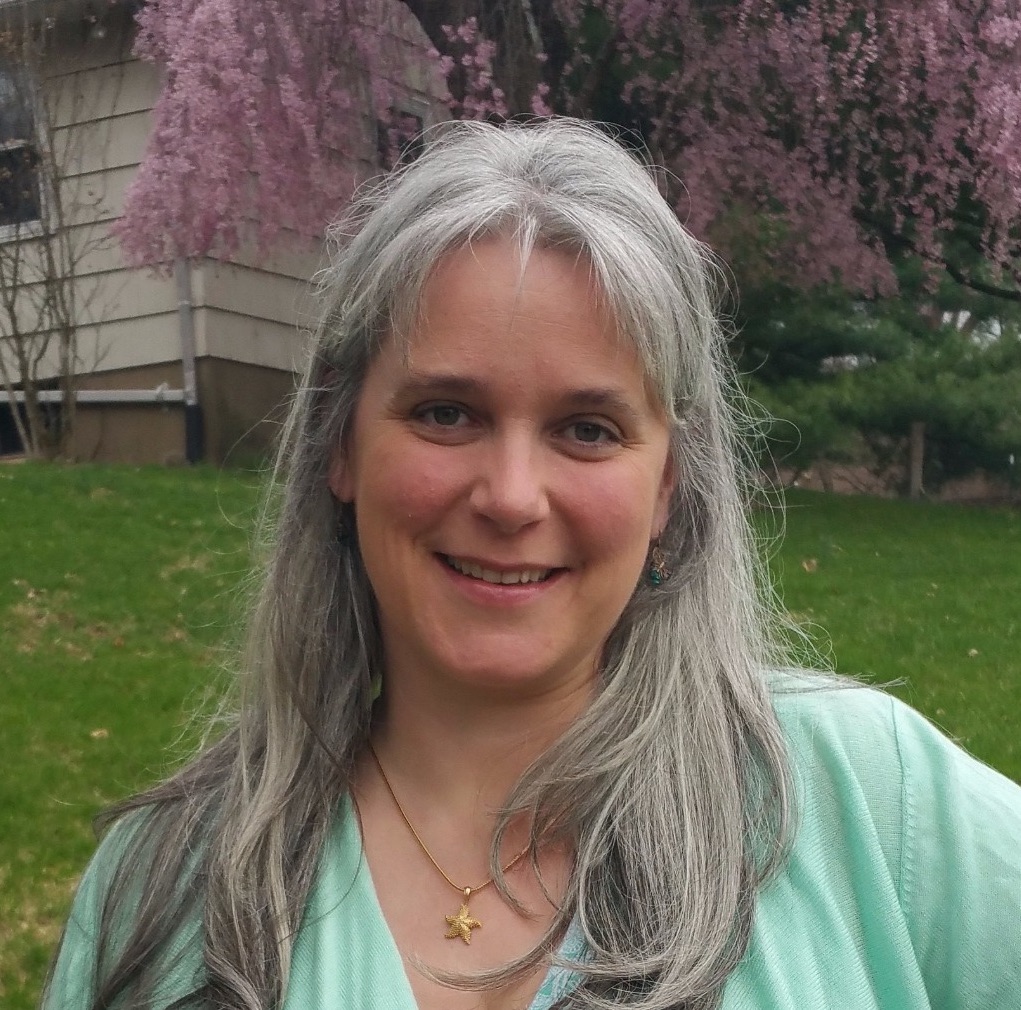
Amy L. Dalton is the Executive Director of CLBSJ, and also serves ex-officio (non-voting) on the governing Board.
A vociferous learner and careful thinker, Amy has since college offered herself as a servant leader and “observer-participant” in grassroots organizing for fundamental change. She has deep experience in faith based, community-based, campus-based and online social justice settings. Her professional experience includes nonprofit development; writing, editing and publishing; hospitality and event planning. She spent her early years in a Jesuit community, was raised primarily as a United Methodist, went to a Quaker college, and has worked for Lutheran and Presbyterian formations.
Amy first began doing structural change work at age 13 when she began serving on the Reconciling Committee of her local Methodist church, 35 years before the denomination removed homophobic language from its organizational documentation. As an undergraduate student, she was part of one of the first intentional efforts to use the internet to increase grassroots power during organizing against California’s xenophobic Proposition 187. She has since engaged in and helped to shape multiple game-changing organizing networks including the Indymedia network and the resurgence of the Sanctuary movement.
Amy holds a Master of Divinity from Union Theological Seminary with a research focus in faith-based community organizing, and a Bachelor of Arts with high honors in sociology/anthropology from Swarthmore College with research focuses in prison history, museum studies, anthropology of religion and critical social theory. Amy has been trained by PICO (now Faith In Action) and IAF, and participated for five years in the Brecht Forum’s Revolutions Study Group, serving on the convening team for several sessions.
She is a founding member of the Community of Living Traditions, a multifaith intentional community, and serves as Treasurer of the Board of Proyecto Faro, a Rockland County-based immigrant justice group. She has served on the Research Team of the Ambazonia Prisoners of Conscience Support Network, a diaspora formation connected to her partner’s homeland, and as Membership Coordinator of the Parent-Teacher Association of her daughter’s school.
As a person who has lived for most of her life with an invisible disability, Amy has had to forge space that she can function in, and because of this she prioritizes modes of organizing and organization building that are deeply egalitarian, nonjudgemental and welcoming of all forms of knowledge and ways of being human.